Ottoman Empire
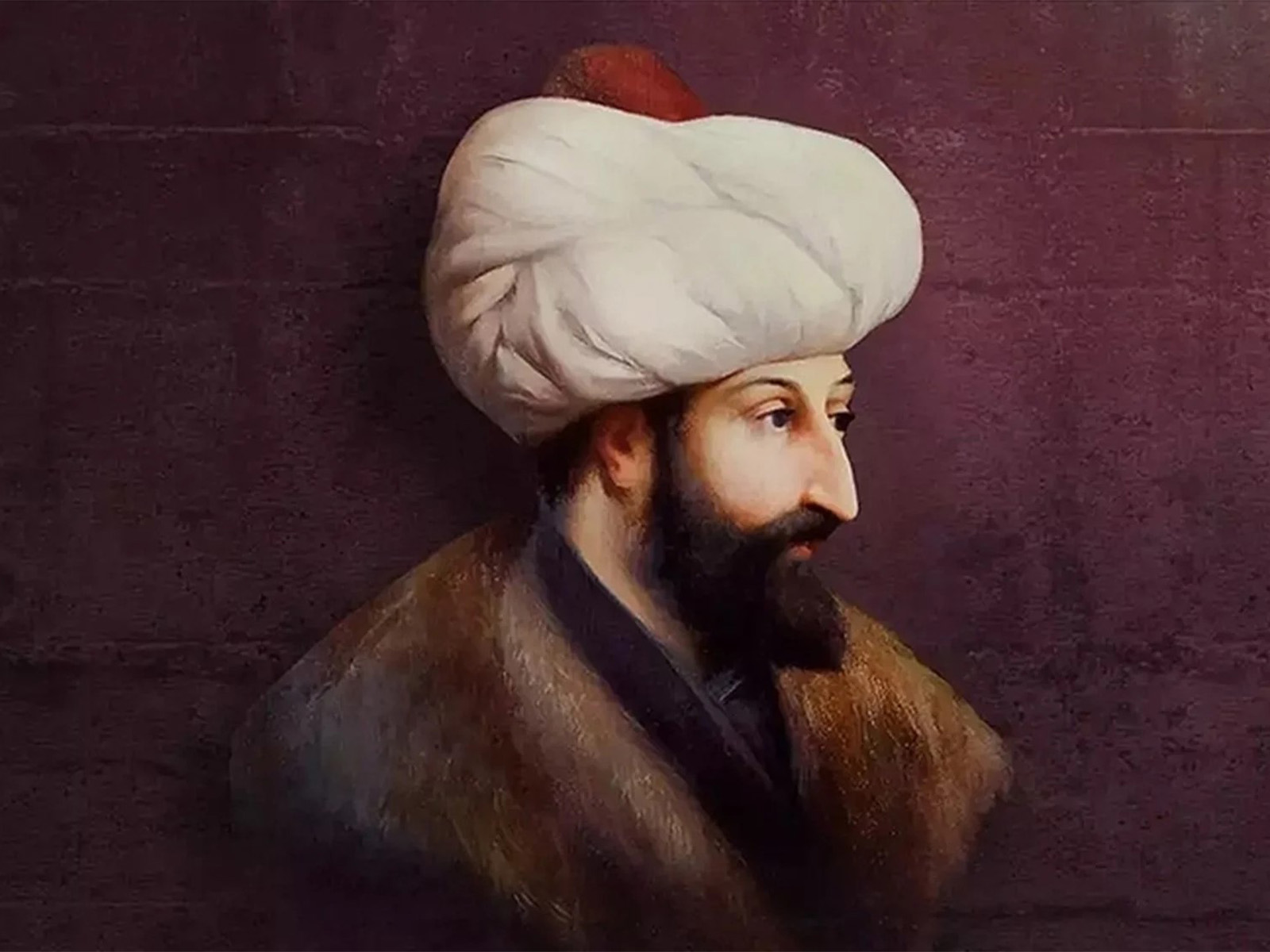
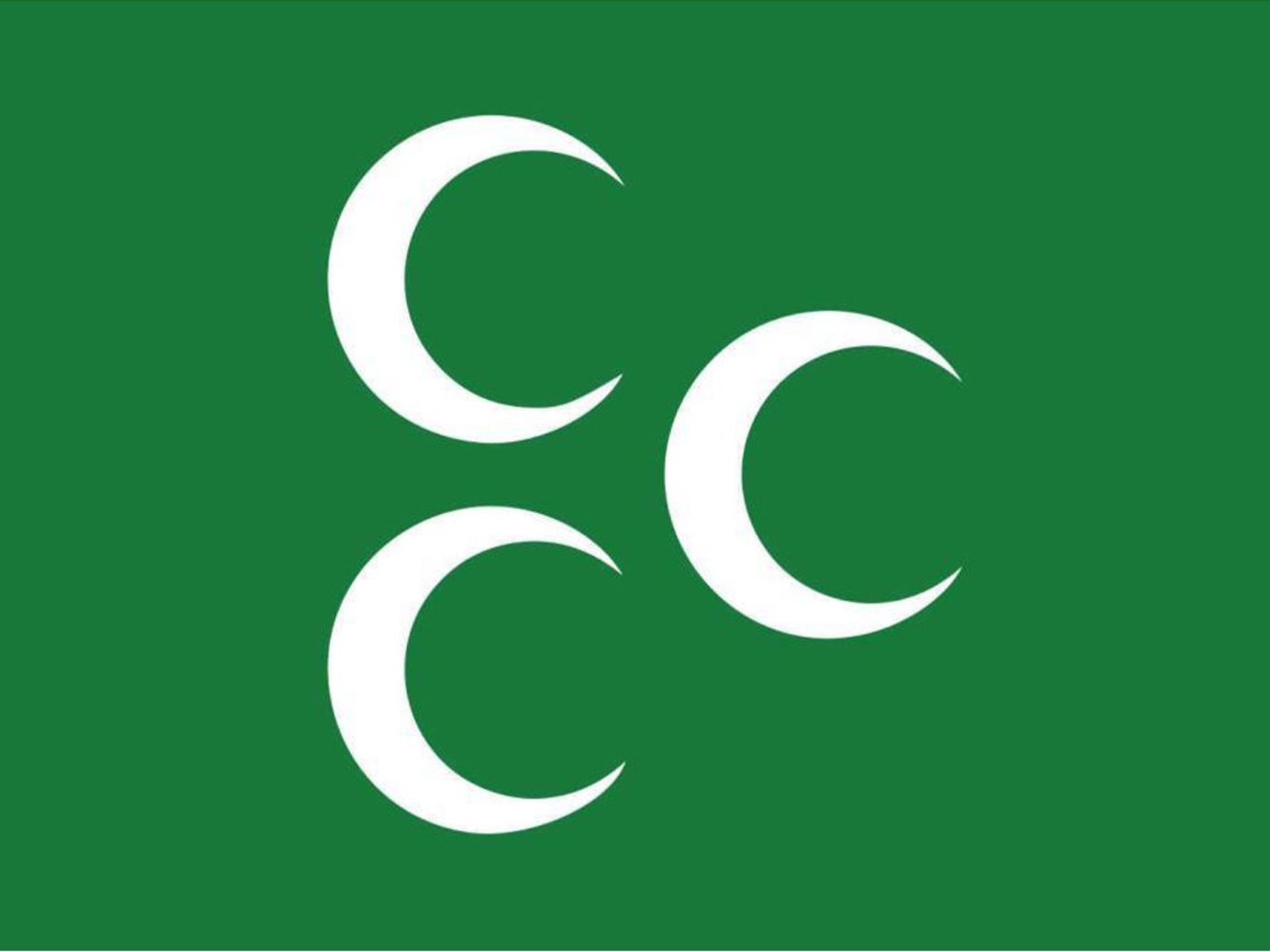
The Ottoman Empire was one of the longest-lasting political structures in the world to be ruled by a single dynasty. Spanning parts of Asia, Africa, and Europe, this empire has always held great importance in the history of the Balkans, the Middle East, the Caucasus, Anatolia, and the Mediterranean. Naturally, the words and actions of the sultans who ruled this state have also been a subject of great curiosity. The Ottoman Sultanate was a hereditary dynasty in which the throne was passed from father to son, and there were a total of 36 sultans. The sultanate continued from the establishment of the Ottoman state in 1299 until the foundation of the Republic of Turkey. It was a Muslim Turkish state that at its height included Anatolia, southeastern Europe, the Middle East, and North Africa. The Ottoman Empire followed both the Byzantine Empire, which came to an end in 1453, and, after the conquest of Egypt in 1517, the Arab caliphate, which was considered to have inherited the caliphate of the Prophet Muhammad. The Ottoman Turks were Turkmen nomads who entered Anatolia together with the Seljuks in the 11th century. At the end of the 13th century, Osman I declared the independence of his principality in Söğüt, near Bursa, which was located next to the declining Byzantine Empire. The warriors, or ghazis, who came from Anatolia closely followed the rising star of Osman I and, following the tradition of taking their leader’s name, began calling themselves Ottomans. Thus, the foundations of the Ottoman Empire were laid. Within a century, the Ottoman dynasty had transformed its territory into an empire stretching from the Danube River to the Euphrates River. The empire was temporarily shattered by the attack of the Tatar conqueror Timur, who defeated and captured the Ottoman Sultan Bayezid I at the Battle of Ankara in 1402. However, Mehmed I reunited the empire, and it was rebuilt and strengthened under Murad II and Mehmed II. In 1453, Mehmed II conquered Constantinople, the last stronghold of the Byzantine Empire. The Ottoman Empire reached its peak during the 16th century. Sultan Selim I (1512–1520) conquered Egypt and Syria, brought the Arabian Peninsula under Ottoman control, and pushed back the Safavid dynasty of Iran at the Battle of Chaldiran in 1514. He was followed by Suleiman I, also known as Suleiman the Magnificent or Kanuni Sultan Süleyman (1520–1566), who conquered Iraq, Hungary, and Albania and established Ottoman naval supremacy in the Mediterranean. Suleiman organized and institutionalized the classical structure of the Ottoman state and society. Under his rule, the Ottoman Empire became one of the greatest powers in Europe. The decline of the empire began toward the end of the 16th century. There were thousands of interconnected reasons for this decline. Among the most important were the weakening of the Turkish-Islamic aristocracy and the decline in the ability and integrity of the sultan and the ruling class. The devshirme system became divided into numerous political factions. These factions competed for power, influenced the sultans, and used the government for their own interests. Corruption, nepotism, favoritism, incompetence, and poor administration gradually became widespread. In 1908, a rebellion led by the Young Turks forced Sultan Abdulhamid II to restore the parliament and the constitution. After several months of constitutional rule, a counter-rebellion aimed at restoring the sultan’s autocratic rule took place. As a result, the Young Turks deposed Abdulhamid II in 1909, and he was replaced by Mehmed V Reşad (1909–1918). The Ottoman Empire entered the First World War on the side of Austria-Hungary and Germany. The defeat of the Central Powers led to the collapse of the Ottoman Empire and the occupation of its territories by foreign powers.
The Last Ottoman Sultan: Sultan Mehmed VI Vahdeddin
The last four sultans to ascend the Ottoman throne after Sultan Abdülaziz were all sons of Sultan Abdülmecid. After Sultan Mehmed V Reşad, the throne was expected to pass to Yusuf İzzeddin Efendi, the son of Sultan Abdülaziz. However, the prince’s suicide prevented this from happening, and the throne once again passed to a sultan from the line of Abdülmecid: Sultan Mehmed VI Vahdeddin. Sultan Mehmed VI Vahdeddin was the last sultan of the Ottoman Empire. One of the main reasons why Mehmed VI Vahdeddin left a rather negative impression in Turkish history was his relationship with the Allied Powers. The Sultan believed that the only way to preserve the caliphate, the sultanate, and the imperial capital was to remain on good terms with the Allied Powers and to comply with their demands. Mehmed Vahdeddin took a negative stance toward the Turkish National Movement in Anatolia. However, toward the end of the Turkish War of Independence, he became increasingly concerned about its outcome. After the National Movement achieved victory, the Grand National Assembly in Ankara abolished the sultanate on November 1, 1922. At the first Friday prayer held after the abolition of the sultanate, the Sultan’s name was removed from the Friday sermon, known as the khutbah. This further damaged Vahdeddin’s morale. He applied to the British High Commission in Istanbul and requested assistance in leaving the country. The very next day, on November 17, 1922, Sultan Vahdeddin left Istanbul aboard the British warship HMS Malaya, accompanied by ten members of his entourage, and traveled to Malta. After staying there for some time, he went to the Hejaz and then traveled to Italy, eventually arriving in San Remo. Mehmed VI Vahdeddin died in exile in San Remo, Italy, on May 16, 1926. The authorities of the Republic of Turkey refused to allow the remains of the last Ottoman sultan, Mehmed VI Vahdeddin, to be brought back to Turkey. His remains were placed in a horse-drawn carriage by his son, Ömer Faruk Efendi, and taken to the port of Trieste. From there, they were transported by sea to Beirut. The body was then taken from Beirut to Damascus. After the necessary permission was obtained from the French government, he was buried at the designated location. Mehmed VI Vahdeddin is the only Ottoman sultan whose remains are not buried in present-day Turkey.
Ottoman Sultans
- Osman Ghazi (Bey), s. 1288-1326
- Orhan Ghazi, 1326-62
- I. Murat, 1362-89
- I. Bayezit, 1389-1402
- Fetret Devri, 1402-13
- I. Mehmet, 1413-21
- II. Murat, 1421-44, 1446-51
- II. Mehmet, 1444-6, 1451-81
- II. Bayezit, 1481-1512
- I. Selim, 1512-20
- I. Süleyman, 1520-66
- II. Selim, 1566-74
- III. Murat, 1574-95
- III. Mehmet, 1595-1603
- I. Ahmet, 1603-17
- I. Mustafa, 1617-18
- II. Osman, 1618-22
- I. Mustafa (For the second time), 1622-23
- IV. Murat, 1623-40
- İbrahim, 1640-48
- IV. Mehmet, 1648-87
- II. Süleyman, 1687-91
- II. Ahmet, 1691-95
- II. Mustafa, 1695-1703
- III. Ahmet, 1703-30
- I. Mahmut, 1730-54
- III. Osman, 1754-7
- III. Mustafa, 1757-74
- I. Abdülhamit, 1774-89
- III. Selim, 1789-1807
- IV. Mustafa, 1807-08
- II. Mahmut, 1808-39
- I. Abdülmecit, 1839-61
- Abdülaziz, 1861-76
- V. Murat, 1876
- II. Abdülhamit, 1876-1909
- V. Mehmet, 1909-1918
- VI. Mehmet, 1918-22
- II. Abdülmecit (Only caliph), 1922-24

Get in touch now
Ready for an unforgettable tour?