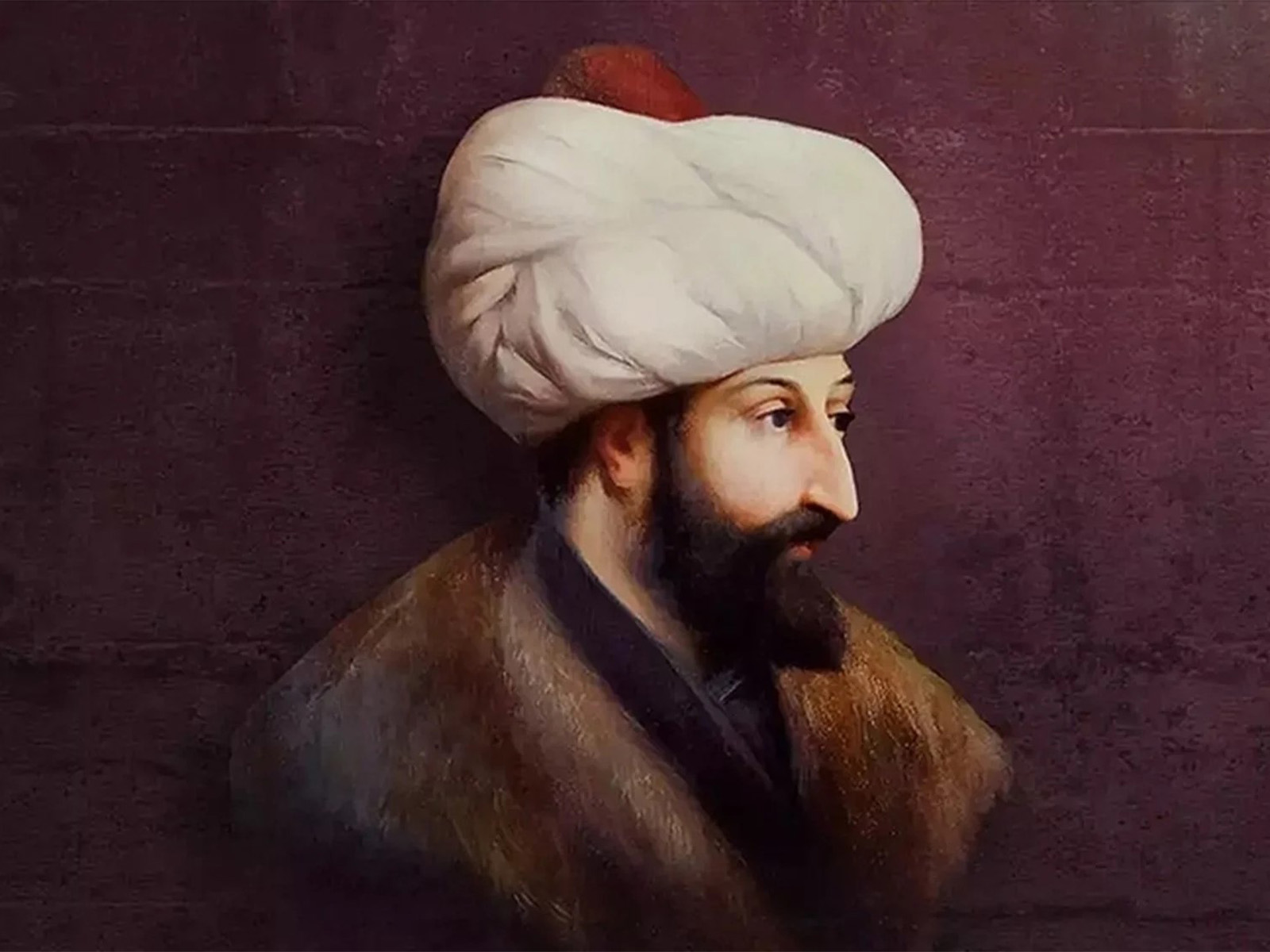

A full day Asian Side Tour
- Tour name : A full day Asian Side Tour
- Operates : Everyday ( all year round)
- Tour highlights: Beylerbeyi Palace, Kuzguncuk, Kadıköy – Moda
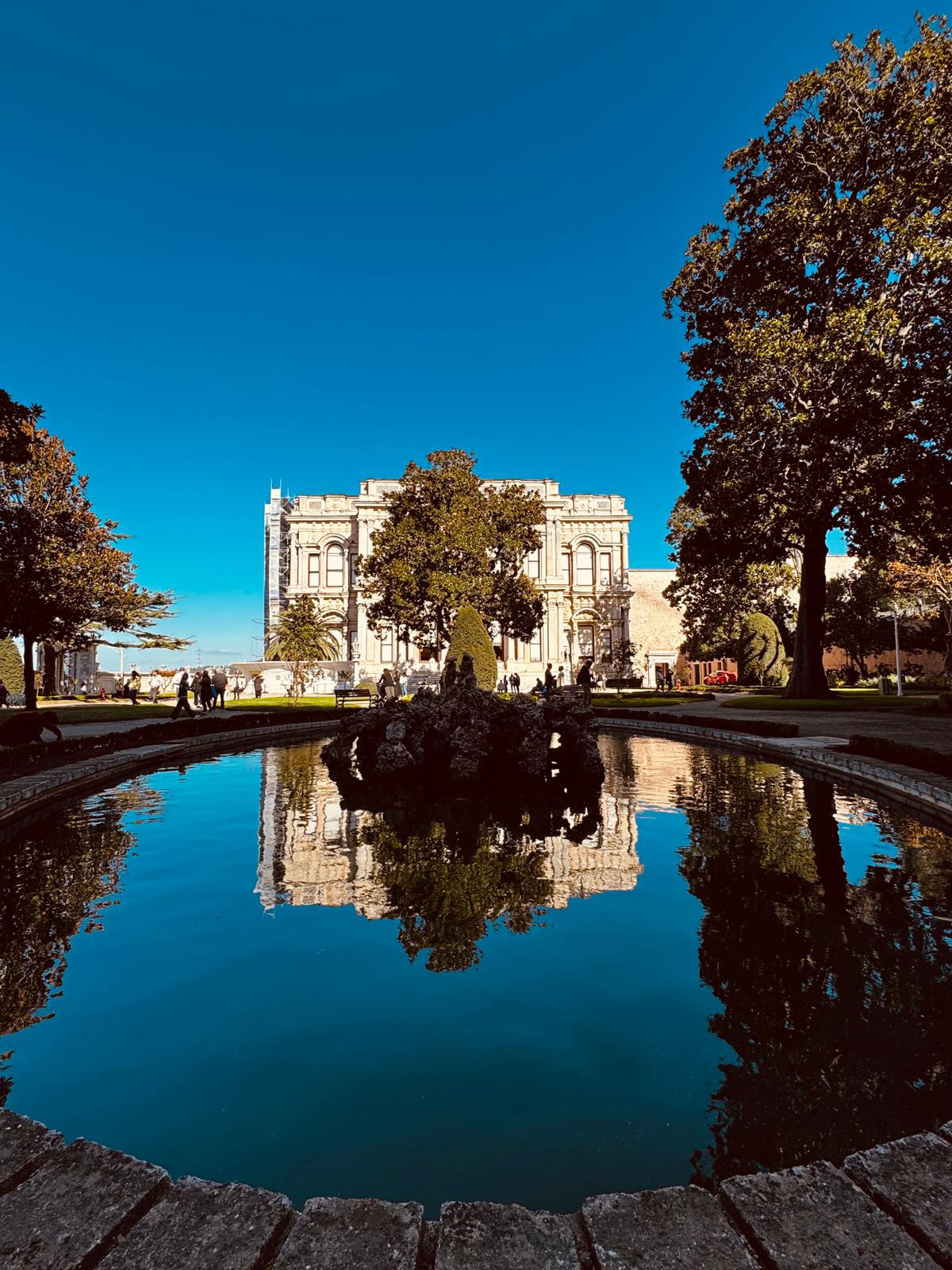
Beylerbeyi Palace
Beylerbeyi Palace is located just below the Bosphorus Bridge on the Asian shore of Istanbul. In antiquity, the area was known as Stravros or İstavroz. Near the pier stands the mosque commonly called Beylerbeyi Mosque / Hamid-i Evvel Mosque. Its inscription notes that it was built in 1778 by Sultan Abdul Hamid I as part of a large complex, though the other buildings of this complex were situated around the Yeni Mosque in the Old City rather than the Beylerbeyi area.
The mosque, designed by architect Mehmet Tahir, is an elegant example of Baroque style. Its domes and arches are arranged in an octagonal pattern, creating a visually striking effect both inside and out. The protruding apse features a mihrab adorned with motifs influenced by Chinese art from different periods between the 16th and 18th centuries. Both the wooden minbar and pulpit, carved in ivory relief, are exceptionally refined. The mosque has two minarets, the second of which was added by Sultan Mahmud II.
The name “Beylerbeyi” comes from the Ottoman provincial administrative system: the Beylerbeyi was the governor of a province (eyalet) and its highest-ranking military commander, representing the Sultan in all official matters. During the reign of Sultan Murad III, Mahmut Pasha, the Rumeli Beylerbeyi, built a mansion here. Though that mansion no longer exists, the area retained the name Beylerbeyi.
The current Beylerbeyi Palace was constructed between 1861 and 1865 for Sultan Abdülaziz by Sarkis Balyan paintings by prominent artists such as Ivan Aivazovsky.
Kuzguncuk – Anatolian Side
Kuzguncuk, located between Beylerbeyi and Paşalimanı on the Anatolian shore of the Bosphorus, has perhaps been one of the most cosmopolitan quarters of the Bosphorus.
Among its notable civil architectural landmarks are the Abdülmecid Pavilion, the Cemil Molla Mansion, and the Fethi Ahmet Paşa Yalısı.
Kuzguncuk was once an important center for the Jewish community. Its religious buildings include the Lower Synagogue (Kal de Abasho / Beth Yaakov, 1878), the Upper Synagogue (Virane / Kal de Ariva, dating from the 1840s), the Ayios Panteleimon Church, the Ayios Yeoryios Church, and the Surp Krikor Lusavoriç Church.
With its colorful wooden houses, flower-lined streets, and peaceful atmosphere opening onto the Bosphorus, Kuzguncuk is one of the most romantic and nostalgic neighborhoods in the city. Throughout history, different cultures have lived together here; the presence of a mosque, church, and synagogue side by side has become a symbol of tolerance and multicultural life.
Its small cafés, art studios, and the famous Kuzguncuk Bostanı (community garden) offer visitors a calm, intimate, and picturesque experience.
History of Kadıköy
Kadıköy, formerly known as Khalkedon, was founded in 675 BCE by settlers from Megara, a city located slightly north of Athens. The Megarans settled in Kadıköy before establishing Byzantion (Istanbul). In 658 BCE, another group of Megarans led by Byzas founded Byzantion. According to the Delphi oracles, Byzas was instructed to establish the city opposite the “Land of the Blind.” The term “blind” referred to the people of Khalkedon who chose to settle in Kadıköy instead of a more advantageous location like Sarayburnu. The reason Khalkedon was preferred was because of its calmer climate.
Throughout its history, Kadıköy faced several attacks: in 513 BCE, forces of the Persian king Darius plundered Khalkedon. During the Peloponnesian War (431–404 BCE), it played a strategic role due to its position on the grain route of the Bosphorus. In 409 BCE, the Athenian Alcibiades captured Byzantion and Khalkedon, gaining control of the Bosphorus. In 405 BCE, Byzantion and Khalkedon came under the control of Sparta. In 133 BCE, King Attalus of Pergamon seized Khalkedon, and in 74 BCE, Khalkedon became part of the Roman Empire.
During the reign of Emperor Valens (364–378 CE), the walls of Kadıköy were dismantled, and the stones were used in the construction of Constantinople’s baths and the Valens Aqueduct. In 451 CE, in order to resolve disputes in the religious sphere and confirm Orthodox beliefs, a church council was held in Khalkedon following the one in Ephesus in 431 CE.
Kadıköy Today
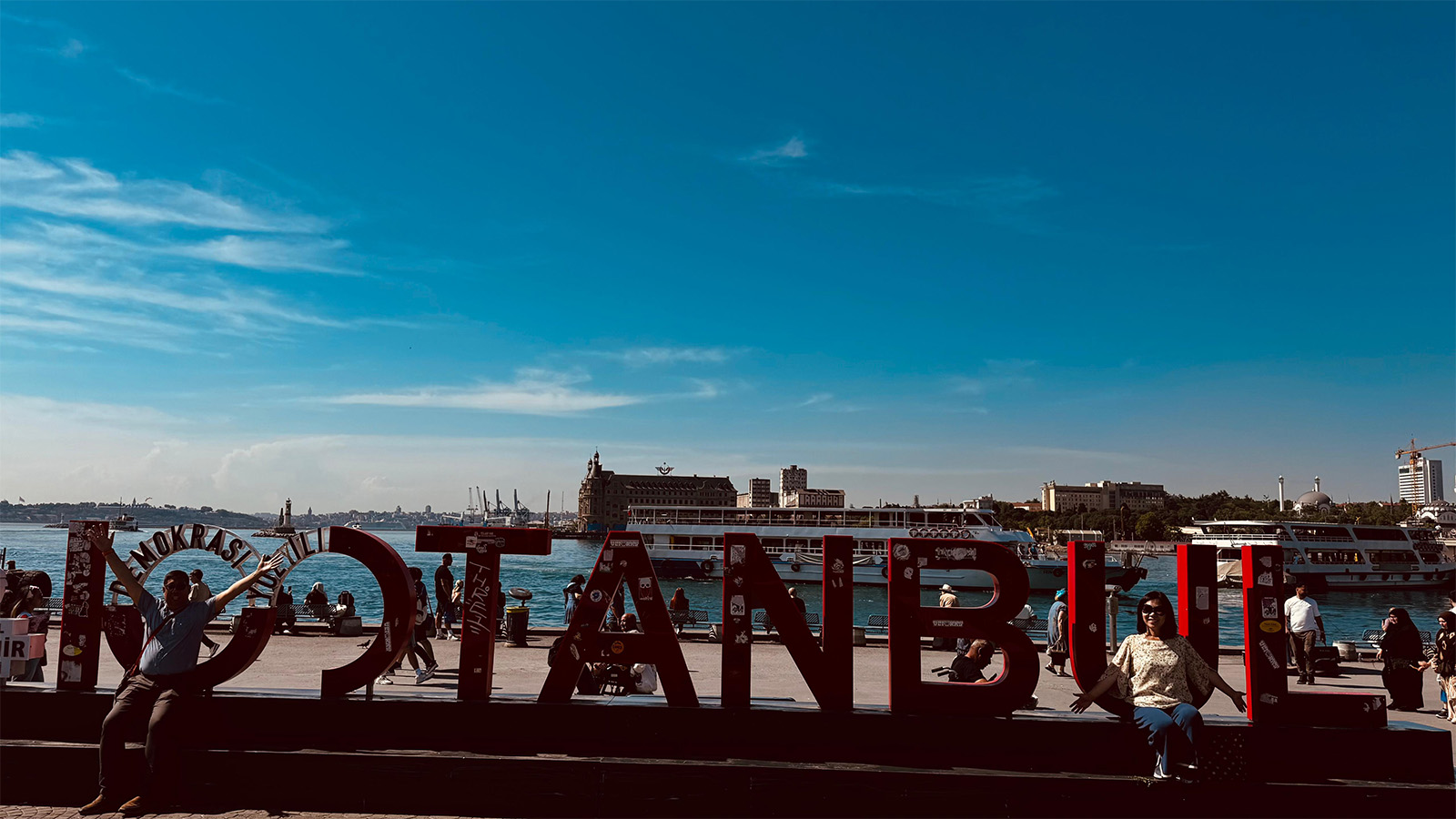
When you arrive in Kadıköy by ferry, the first thing you see is the magnificent Haydarpaşa Railway Station, built by the Germans and reflecting the architectural style of its era. Directly across from the ferry pier is the old market hall, constructed in the 1920s, which today houses the Istanbul Conservatory. Next to the old market hall stands a statue of Atatürk, commemorating the Alphabet Reform of 1928.
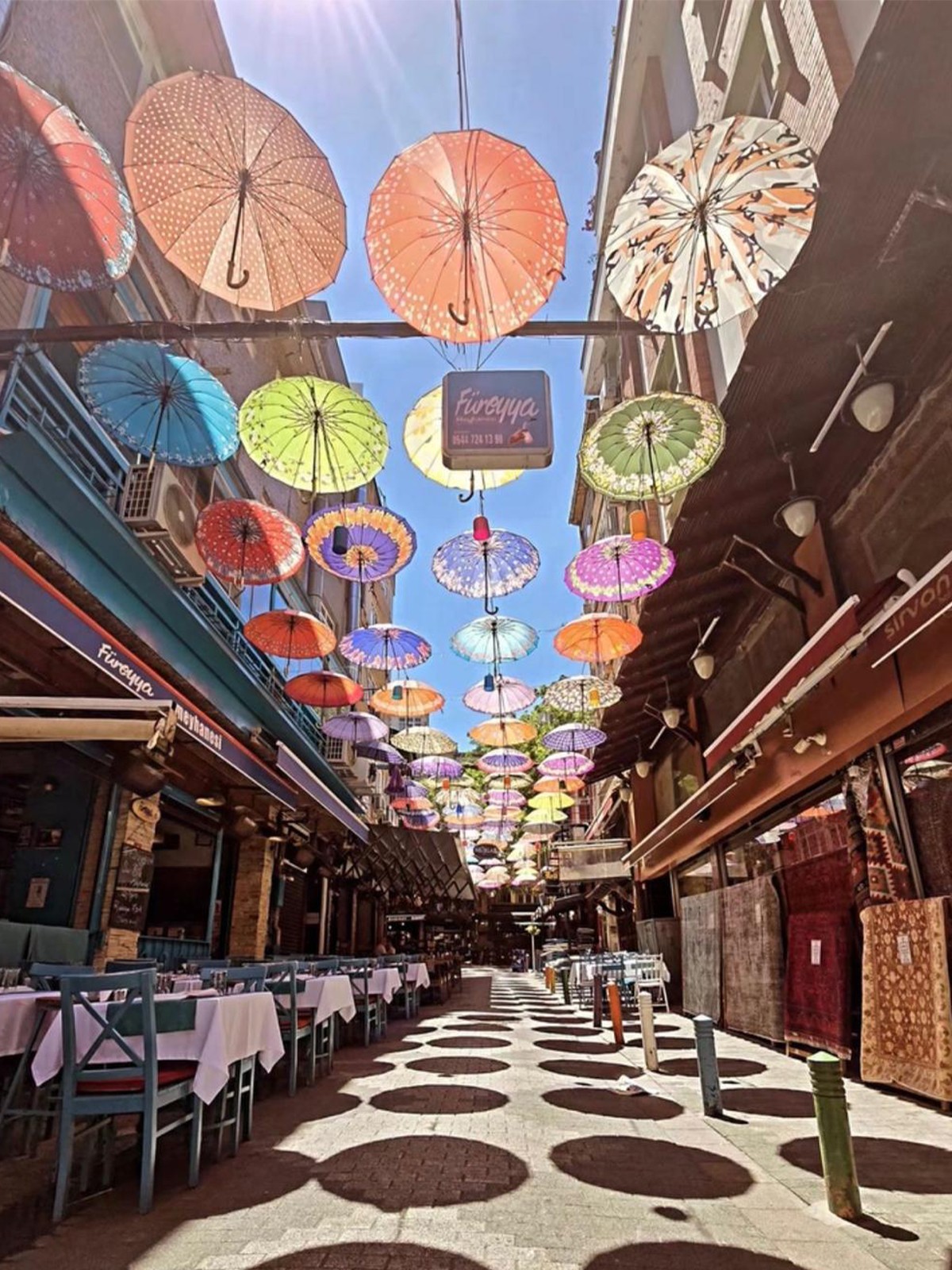
Kadıköy, home to a large student population, is very lively with its market streets, bar street, and nightlife. Today, all you need to do is wander into the back streets and enjoy the unique shops, charming restaurants, and bars that mostly cater to university students along the pedestrian-only streets.
Just like Wall Street in New York, Kadıköy also has a bull statue. It is located at Altıyol, at the entrance of the traffic-free Bahariye Street, which is named after General Asım Gündüz. Although the street was officially renamed, the old name Bahariye remains in everyday use. With a tram running through its middle, Bahariye Street is often compared to Istiklal Avenue on the Asian side of Istanbul.
The most striking building on the street is the Süreyya Opera House, gifted to the city in 1927 by Süreyya and Adalet Ilmen. As the first opera house in Anatolia, it operated as a cinema for many years before resuming its original purpose in 2007.
Kadıköy Bull Statue
The Bull Statue (originally called the Fighting Bull), Kadıköy’s most famous meeting point, actually has a dramatic history spanning about 160 years, from the battlefields of Europe to the Ottoman palaces.
French Display of Power Against Germany
The statue was created in 1864 in Paris by the famous French animal sculptor Isidore Jules Bonheur. Its purpose was not only artistic but also political: it symbolized French power and victory over Germany in the disputed Alsace-Lorraine region, a long-standing source of conflict. Designed as an aggressive, ambitious, and strong bull, it represented the “anger” and determination of the French.
Transfer to Germany as War Trophy
However, French pride did not last long. In the 1870 Battle of Sedan, the Germans defeated France decisively. When Alsace-Lorraine returned to German control, the bull statue—erected as a symbol of French strength and victory—was taken by the Germans to Berlin as a war trophy.
Arrival in Istanbul and Its “Traveler” Years
The statue’s journey to Istanbul is linked to the Turkish-German alliance during World War I.
1917: German Emperor Wilhelm II gifted the statue to the Ottoman Empire and the powerful figure Enver Pasha as a token of friendship.
First Locations: Upon arriving in Istanbul, the statue was first placed in the garden of Yıldız Chalet, then at Enver Pasha’s Bilezikçi Farm.
City Tour: In the following years, the statue seemingly toured the city: it stayed for a while in the garden of the Hilton Hotel, then in front of the Lütfi Kırdar Congress Center, and even at Taksim Gezi Park for some time.
Arrival in Kadıköy: Becoming a Symbol
The statue’s adventure on the Asian side began in the 1970s. It was first placed in front of the historic Şehremaneti building, now housing the Kadıköy History, Literature, and Art Library. After about 20 years in front of the Kadıköy Municipality building, it was finally moved in 1987 to its current location at Altıyol Square.
Interesting Facts About the Statue
In art history, it is known as the Fighting Bull. Bonheur produced several casts of this model; similar versions can be found in England, Belgium, Spain, and the USA.
Initially a symbol of French-German wars, today it represents Kadıköy’s energy, resilience, and, most importantly, its status as a meeting place.
The Bull Statue is not just an artwork; it is considered one of the liveliest parts of Kadıköy’s spirit and collective memory.
Kadıköy Crocodile
In Kadıköy Market, you can come across a plaque featuring a small bronze crocodile statue. The famous geographer Strabo, who lived in the first century, mentioned that people in Chalcedon (Kadıköy) used to keep crocodiles in a spring.
Kadıköy – Moda
By the late 19th century, non-Muslim and Levantine communities began settling in Moda and its surroundings, while prominent statesmen of Sultan Abdulhamid II’s era started building mansions in Bostancı and nearby areas. In Moda, notable structures include Moda Pier designed by Vedat Tek, the L’Assomption (Assumption) Church, the Anglican Saints Church, the Aya Katerina Ayazması (Holy Spring of Saint Catherine), and Saint Joseph French High School.
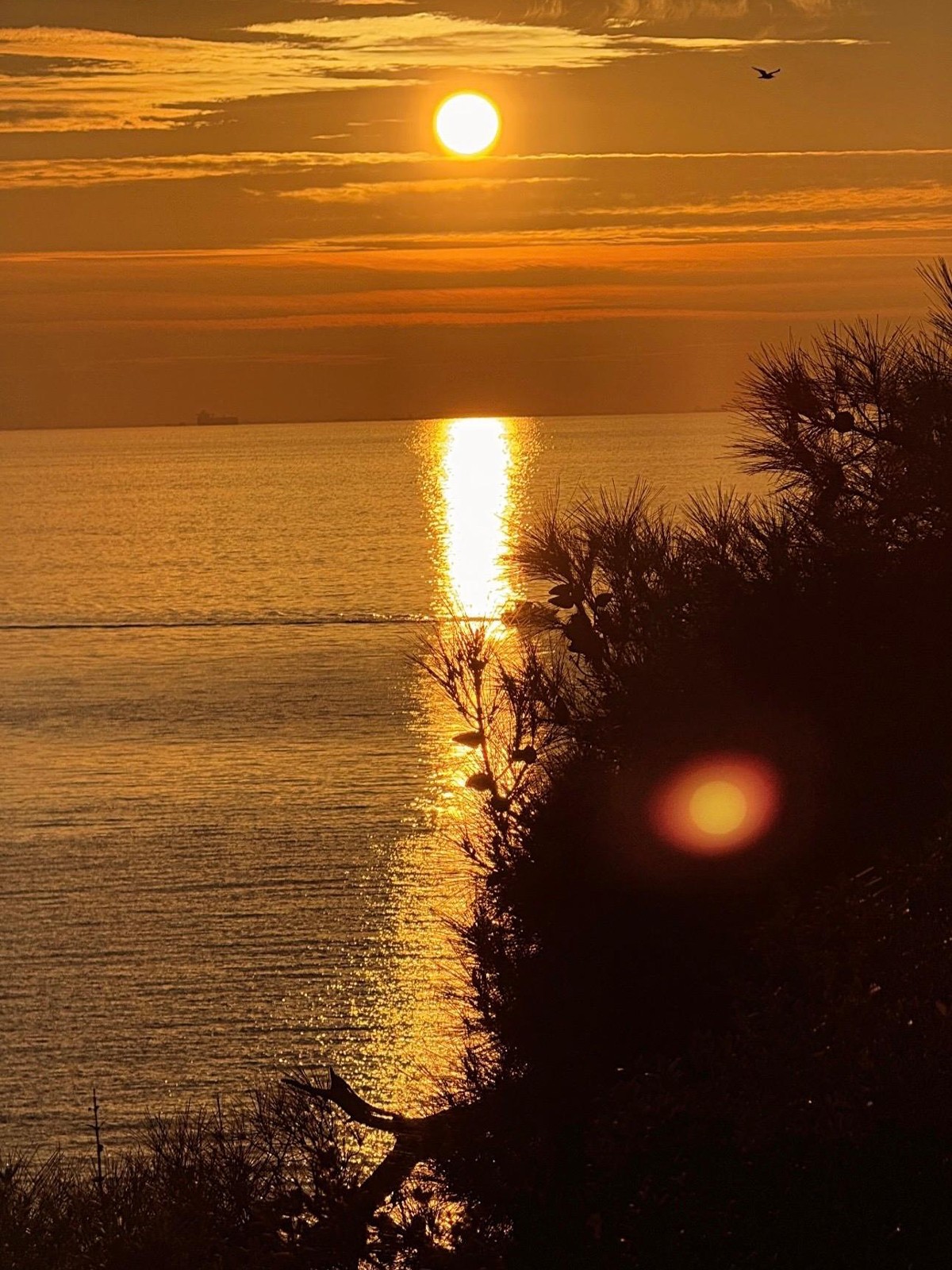
With views of the Marmara Sea and the Princes’ Islands, Moda has become a popular destination, attracting visitors with its stylish restaurants and bars. Many mansions were built here in the 19th century, but in the 20th century, these were replaced by apartment buildings. Today, Moda is one of Istanbul’s most important cultural and social centers, featuring art and cultural centers, shops, theaters, cinemas, cafes, restaurants, bars, and seaside promenades.

Get in touch now
Ready for an unforgettable tour?