Constantine the Great
Constantine the Great and the Transformation of Constantinople
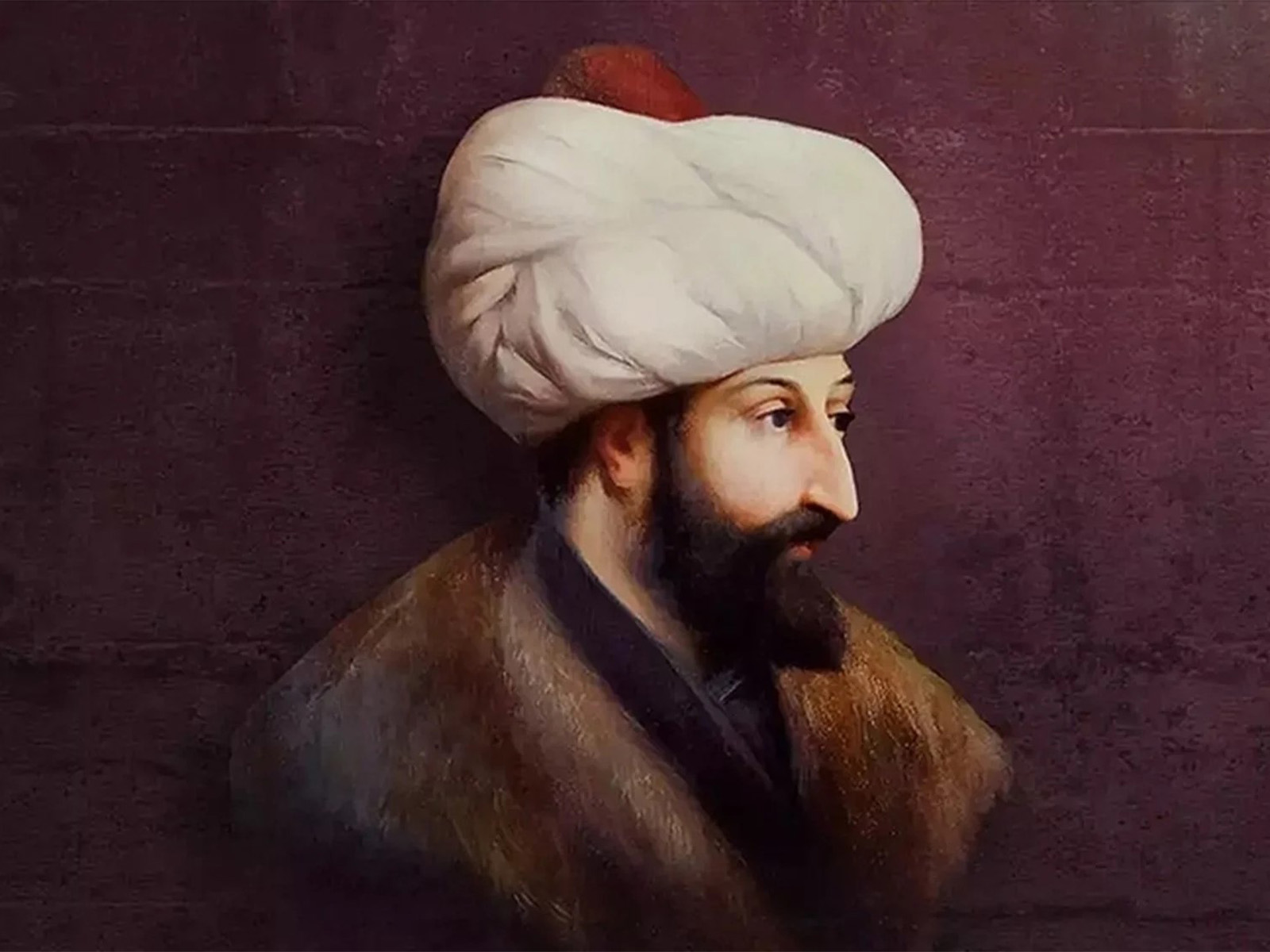
The person you are referring to is Constantine I, also known as Constantine the Great, one of the most important emperors in the history of Rome and one of the key figures in the history of Istanbul. Constantine was born around 272 or 273 AD in Naissus, in the Balkans, near present-day Niš in Serbia. His father was Constantius Chlorus, and his mother was Helena, who later became an important figure in Christian history. Constantine became emperor in 306 AD and, after a series of civil wars, became the sole ruler of the Roman Empire in 324 AD. Two developments during his reign would have an enormous impact on world history: his transformation of Christianity’s position within the Roman Empire and his transformation of Byzantium into a new imperial capital.
From Byzantium to the New Rome
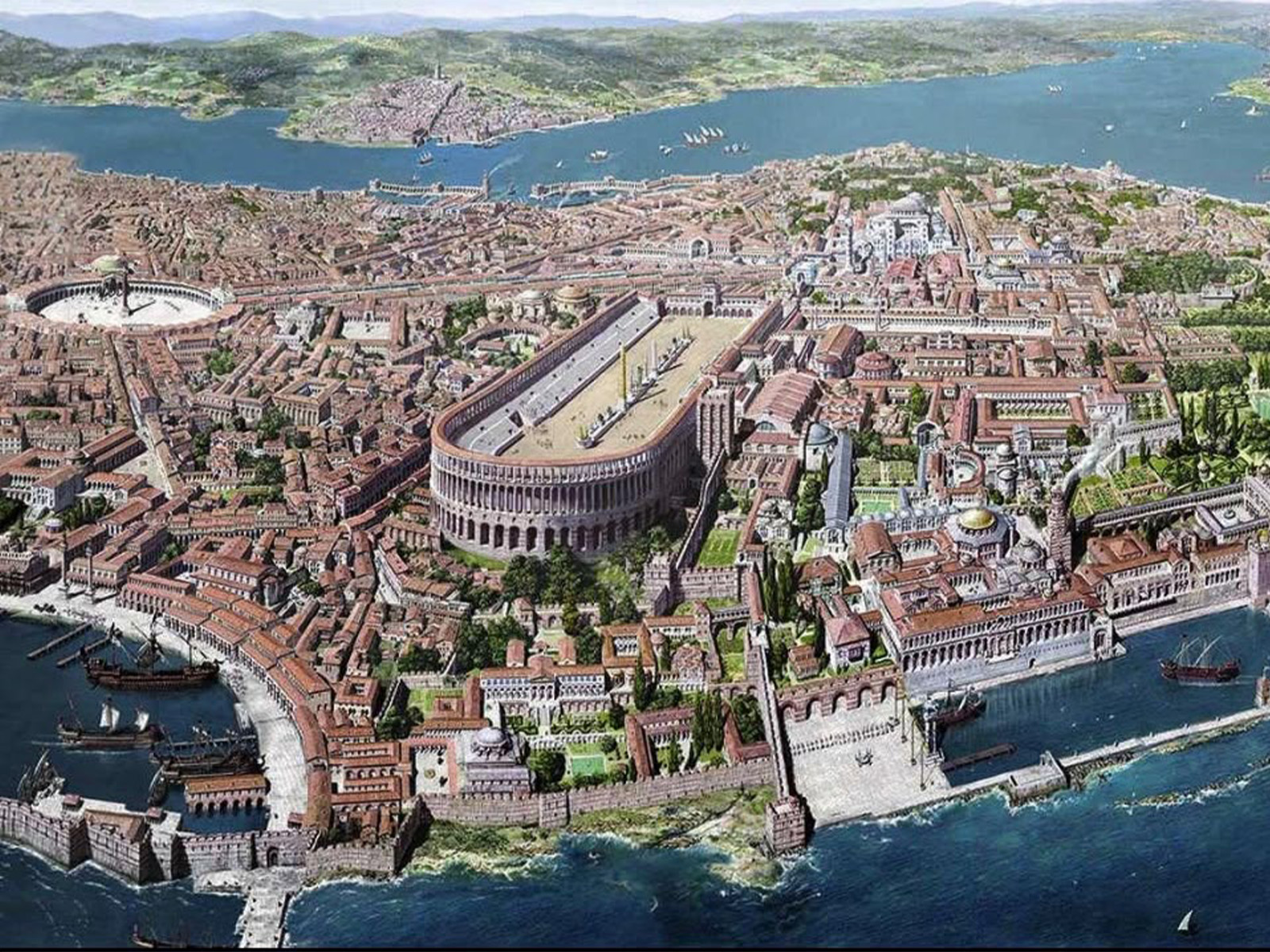
Constantine did not build Istanbul from nothing. Long before his reign, an ancient Greek settlement known as Byzantion (Byzantium) had existed on the site of modern Istanbul. After defeating his rivals and becoming the sole emperor, Constantine began transforming Byzantium on a massive scale. He recognized the city’s extraordinary strategic position. It stood at the crossroads of Europe and Asia, controlled the Bosphorus, and connected the Black Sea with the Mediterranean world. In 330 AD, Constantine officially inaugurated the newly rebuilt city as a major imperial capital. The city became known as Constantinople, meaning “the City of Constantine.” It was also associated with the idea of “Nova Roma,” or “New Rome,” because Constantine intended it to serve as a new center of the Roman Empire. It is important, however, not to say that the city was renamed from Nova Roma to Constantinople only after Constantine’s death. The name Constantinople was already being used during Constantine’s lifetime. “New Rome” described the city’s role as a new Roman imperial center rather than simply being an earlier official name that was later replaced.
How Did Constantine Transform Istanbul?
Constantine’s achievement was much more than changing the name of an old city. He transformed the relatively small and ancient city of Byzantium into a magnificent imperial capital modeled in many ways on Rome. The city was expanded, new defensive walls were constructed, and enormous public buildings, ceremonial avenues, squares, palaces, churches, and monuments were built. Constantine wanted the city to possess the grandeur expected of the capital of a vast empire.
Forums and Monumental Buildings
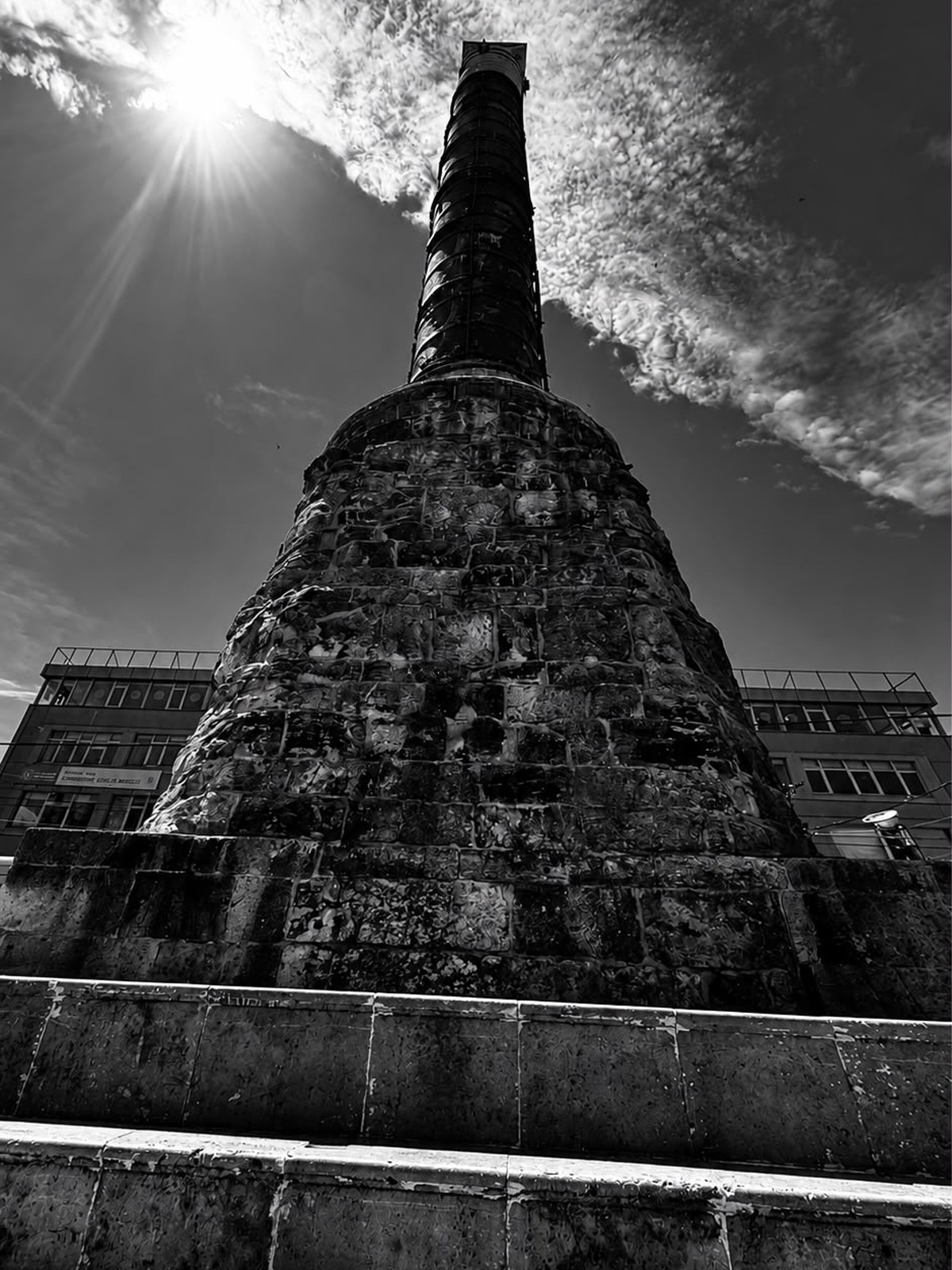
One of the most important public spaces created during his reign was the Forum of Constantine. At its center stood a monumental marble column topped by a statue of Constantine. The remains of this column survive today and are known as Çemberlitaş. Constantine also greatly expanded the Hippodrome, which became one of the most important centers of public life in Constantinople. The Hippodrome was much more than a place for chariot races. It was a place where the emperor appeared before the people, major ceremonies were held, and political and social life unfolded. Constantine also brought monuments, statues, and architectural elements from different parts of the Roman world to decorate his new capital.
 Constantine and Christianity
Constantine is one of the most important figures in the history of Christianity. Before his reign, Christians in the Roman Empire had experienced periods of severe persecution. One of the most serious periods of persecution occurred under Emperor Diocletian. Constantine dramatically changed this situation.
The Edict of Milan – 313 AD
In 313 AD, Constantine and Licinius issued what became known as the Edict of Milan. The edict allowed Christians to practice their faith openly and helped end official persecution of Christianity. Property that had previously been confiscated from Christian communities was also to be returned. This was a major turning point in Christian history. However, there is an important distinction: Constantine did not make Christianity the official religion of the Roman Empire. Christianity became the official religion of the Roman Empire later, particularly under Emperor Theodosius I in the late fourth century. Constantine’s importance lies instead in the fact that he transformed Christianity from a persecuted religion into one that could openly develop under imperial protection.
The Council of Nicaea – 325 AD
Another major achievement of Constantine was the First Council of Nicaea, held in 325 AD. The council brought together bishops from different parts of the Roman Empire to address serious theological disputes within Christianity, particularly the controversy surrounding Arianism. Constantine played an important role in bringing the bishops together because he wanted to restore religious unity within the empire. The council produced the foundation of what would become known as the Nicene Creed, one of the most important statements of Christian belief. For this reason, Constantine’s importance to Christianity goes far beyond simply becoming a Christian. He used imperial authority to support the organization of the Church and to promote unity within the Christian world.
Constantine’s Christian Legacy in Constantinople
Constantine wanted his new capital to have not only a Roman identity but also an increasingly important Christian identity. During his reign, important churches were built in the city, including Hagia Irene (Aya İrini) and the Church of the Holy Apostles. The Church of the Holy Apostles became particularly significant because Constantine himself was eventually buried there. It is important to clarify that the magnificent Hagia Sophia seen in Istanbul today was not built by Constantine. The present structure was built centuries later under Emperor Justinian I, in the sixth century. Nevertheless, the development of Constantinople as a Christian imperial capital began during Constantine’s reign and created the foundation upon which later emperors, including Justinian, would build.
Helena, Constantine’s Mother
Constantine’s mother, Helena, also holds an important place in Christian history. She is traditionally associated with journeys to the Holy Land and with the development of important Christian sites in Jerusalem and Bethlehem. During Constantine’s reign, major Christian buildings such as the Church of the Holy Sepulchre in Jerusalem and the Church of the Nativity in Bethlehem were constructed or significantly developed. Helena later became a revered figure in Christianity and is known as Saint Helena.
The Death of Constantine
Toward the end of his life, Constantine was preparing for a military campaign against the Persian Empire. However, he became seriously ill and died on May 22, 337 AD, near Nicomedia, not far from Constantinople. He was approximately 64 or 65 years old. One of the most significant details about his death is that Constantine was baptized as a Christian shortly before his death. His body was brought to Constantinople and buried in the Church of the Holy Apostles, the church he had commissioned. In this way, the emperor who had transformed the city into a new imperial capital was buried in the city that would carry his name for centuries.
Constantine’s Greatest Legacy in Istanbul
Perhaps the most important thing to understand about Constantine is this: Constantine did not simply rebuild Istanbul; he changed the role of the city in world history. Before Constantine, Byzantium was an ancient and strategically important settlement. After Constantine, it became one of the most important cities in the world.
It became:
* The imperial capital of the Roman Empire.
* A strategic center between Europe and Asia.
* One of the most important cities of the Christian world.
* A magnificent metropolis filled with palaces, churches, forums, monuments, and public buildings.
* The center of what would later be known as the Eastern Roman or Byzantine Empire for almost a thousand years.
* The historical and architectural foundation upon which the later Ottoman Istanbul would be built.
For this reason, Constantine’s transformation of Byzantium in the fourth century was one of the decisive moments in the history of Istanbul. The city he transformed would survive the fall of the Western Roman Empire, become the heart of the Eastern Roman Empire, and eventually become the capital of the Ottoman Empire after the Ottoman conquest of 1453. Constantine therefore stands at one of the most important crossroads in Istanbul’s history: the moment when an ancient city on the Bosphorus was transformed into a world capital.

Get in touch now
Ready for an unforgettable tour?