Half Day Old City Tour
- Tour name : Half day old city tour
- Operates : everyday ( all year round)
- Tour highlights: Topkapı Palace, Basilica Cistern, Grand Bazaar
Topkapı Palace
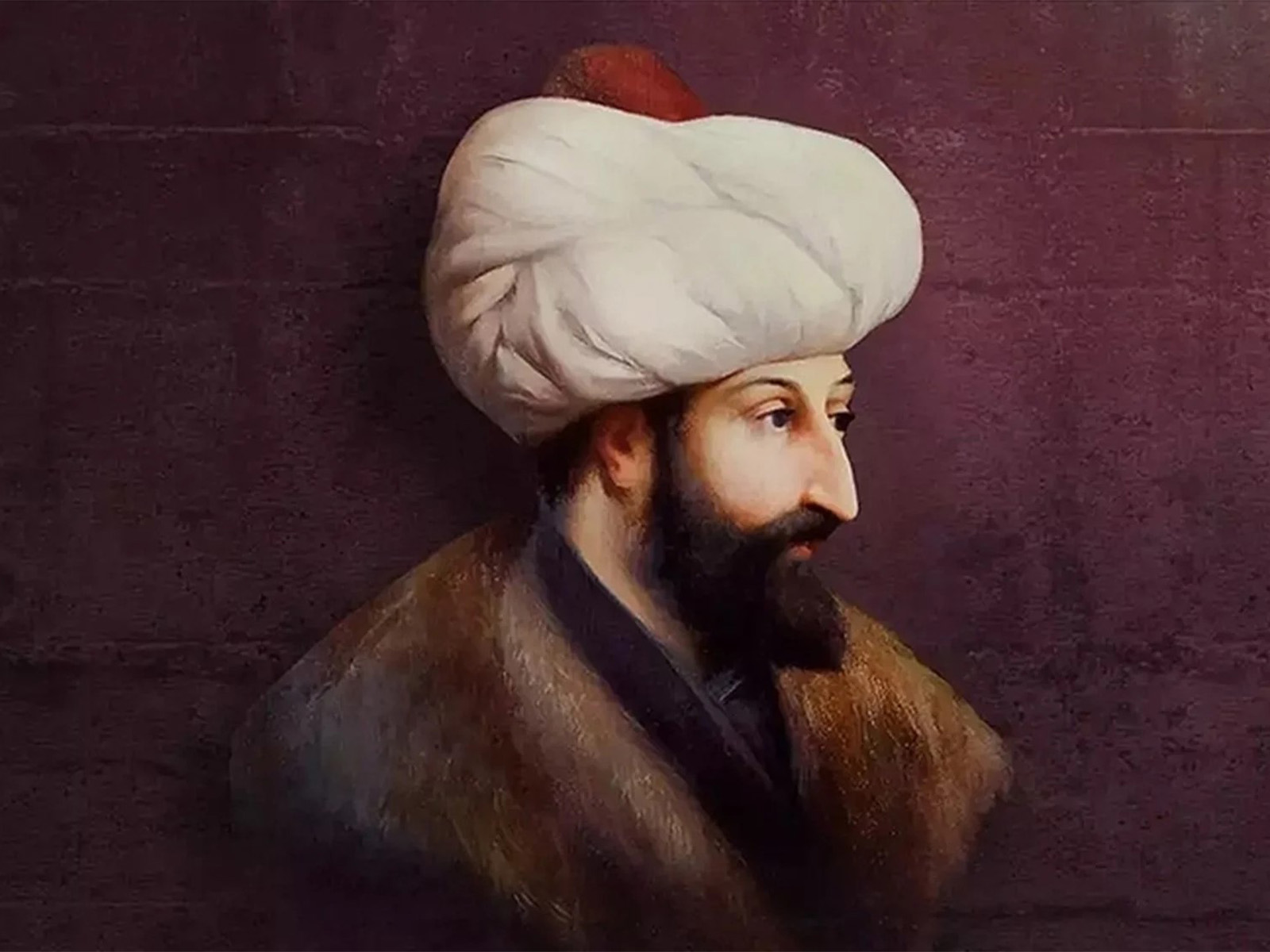
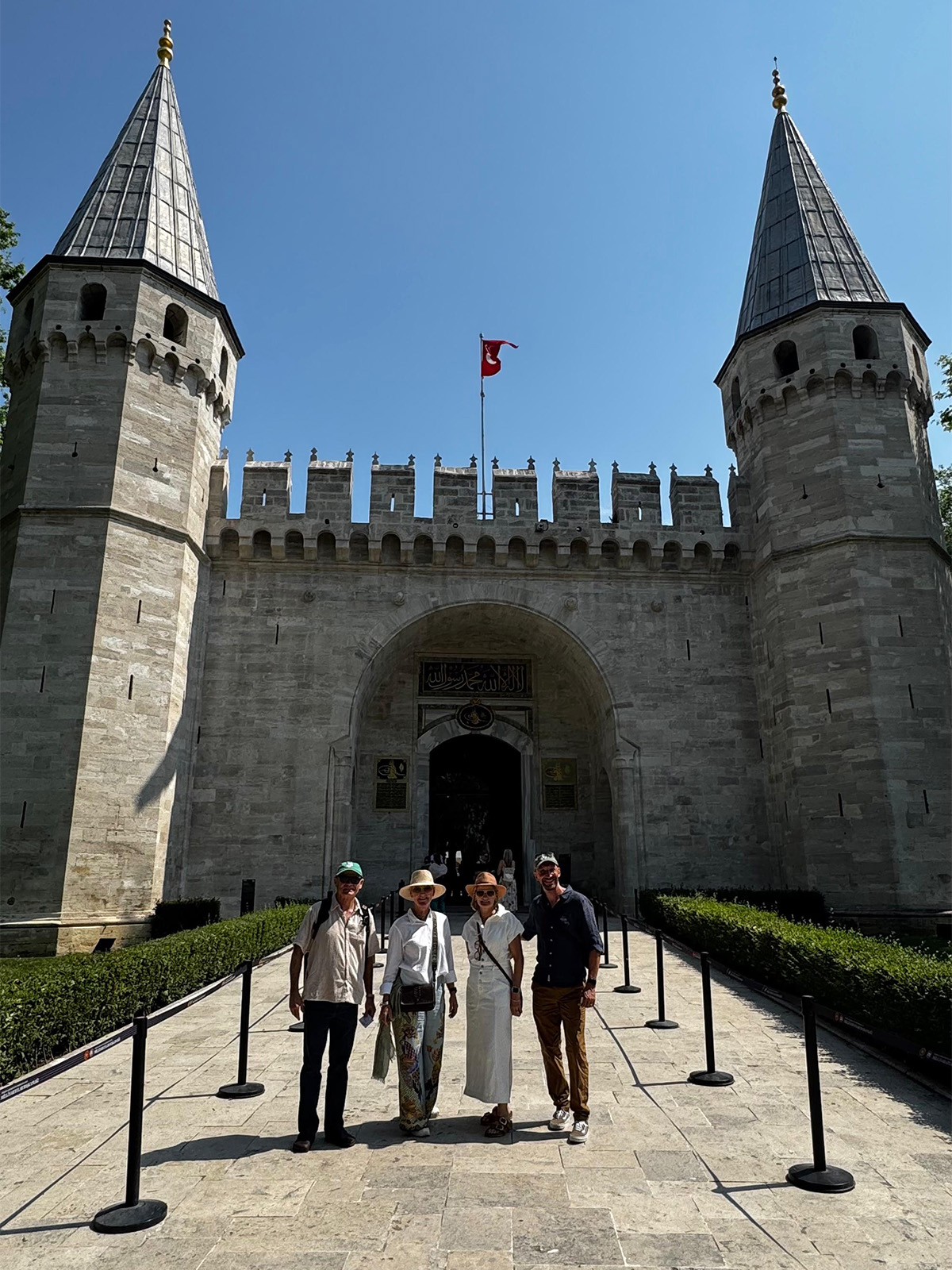
After the conquest, one of the most important monuments commissioned by Fatih Sultan Mehmed in Istanbul was the Topkapı Palace, which today is admired and visited by millions of people. It is well known that Mehmed the Conqueror paid special attention to architectural projects and personally determined the construction program of his palace. In fact, the first palace he established in Istanbul— which he made the capital of the Ottoman Empire — was the Old Palace (Eski Saray), located in the city center, on the site where the rectorate building of today’s Istanbul University stands in Beyazıt.Built between 1460 and 1478 on an area of approximately 700,000 square meters, the palace continuously developed with additions commissioned by subsequent sultans. With the exception of the Harem and the section known as the Fourth Courtyard, the entire plan of the palace as we know it today was designed and constructed by Mehmed between 1460 and 1478.The Harem in its present form dates to the reign of III. Murat (r. 1574–1595). Extensive restorations and additions belong to the periods of IV. Mehmet (r. 1648–1687) and III. Osman (r. 1754–1757). The independent pavilions in the Fourth Courtyard, on the other hand, were constructed in various periods.
The three devastating fires of 1574, 1665, and 1856 destroyed a large part of the palace. Thus, although the three main courtyards essentially remained faithful to the original plan of Fatih Sultan Mehmed, many of the buildings were either lost (as in the case of the First Courtyard) or rebuilt and redecorated in later periods.
Topkapı Palace was used as the administrative center of the state for 380 years. At the same time, the Palace served as the official residence of the Ottoman sultans. It was eventually vacated in the 19th century when the dynasty began to reside in the Bosphorus palaces such as Dolmabahçe Palace, Çırağan Palace, and Yıldız Palace. After the proclamation of the Republic, it was decided by order of Mustafa Kemal Atatürk on April 3, 1924, that Topkapı Palace would be converted into a museum, and it was opened to visitors on October 9, 1924. The restorations carried out during the Republican era restored the Palace to its former, enduring simplicity and elegance. Many works—most of which are unique in the world—began to be exhibited in accordance with a modern understanding of museology.The Enderun School, the most important educational institution in the Ottoman Empire where statesmen were trained, was also located within Topkapı Palace. First established during the reign of Murad I, the Enderun functioned as a kind of palace university. The school, situated in the Sultan’s private courtyard, had a period of education lasting 14 years. Graduates of the Enderun—where talented viziers, statesmen, officers, and artists were trained—served loyally in various administrative units of the vast Ottoman Empire and attained prominent positions.
Basilica Cistern
Water, an essential necessity for human life, has always been a major concern for cities. Rainwater was generally collected in cisterns within the city, often with each household having its own. During Late Antiquity, many houses, palaces, and monasteries possessed private cisterns. In addition to these, large open-air cisterns were sometimes constructed within the city to collect water. In covered cisterns, the walls were built quite high to facilitate the storage of water.
The Yerebatan Sarnıcı and the Binbirdirek Sarnıcı in Istanbul, built in the 6th century during the reign of Justinian I, are among the most significant architectural monuments of Late Antiquity.
Details of the Basilica Cistern: Commissioned in 532 by the renowned Byzantine emperor Justinian I to supply water to the Great Palace, the Yerebatan Sarnıcı impresses visitors with such architectural grandeur that it creates the impression of an underground palace. It is popularly known as the “Sunken Palace” (Yerebatan Sarayı), while in foreign sources it is referred to as the “Basilica Cistern.” Because the structure was built beneath the basilica stoa located between the two large squares on the city’s First Hill, it was called the Basilica Cistern during the Byzantine period.
With a capacity of approximately 80 million cubic meters of water, the cistern was supplied through a system of aqueducts and tunnels bringing water from the Belgrad Forest, about 25 kilometers away. It spreads over an area measuring 140 by 170 meters.
At the far end of the cistern, two sculpted heads of Gorgon can be seen, reused as column bases. In Greek mythology, the Gorgons were three sisters, one of whom was Medusa, who was slain by Perseus.
After the conquest, the Yerebatan Sarnıcı supplied water to the gardens of Topkapı Palace. However, it appears that within a century after the conquest, the existence of the cistern had been largely forgotten. It was rediscovered in 1546, when Petrus Gyllius was researching the remaining Byzantine monuments of the city. He learned that in this neighborhood there were simple wells in the basements of houses, from which water was drawn by bucket to meet daily needs, and that some residents even caught fish from them.
Gyllius conducted a thorough investigation in the area and eventually found a house whose basement provided access to the cistern—most likely at the location of today’s entrance.
The vaults and walls of the cistern are constructed of brick and baked clay, and despite the passage of time, they have suffered virtually no deterioration. The structure is supported by 336 columns, spaced 12 feet (3.66 meters) apart. Each column is 40 feet 9 inches (12.43 meters) high. The columns are arranged in 12 rows across and 28 rows lengthwise, and several underground water sources still flow into the cistern.
The stirrup stones resting on the Corinthian-style Byzantine capitals of the columns support small brick domes decorated with a herringbone pattern. Restoration work on the cistern began in 1985, and it was reopened to the public in 1988.

Grand Bazaar
This area, located between Beyazıt Square and Galata Bridge, has long been the city’s main commercial district. It is one of the oldest and most vibrant parts of Istanbul.
Sahaflar Çarşısı (the Booksellers’ Bazaar) is one of the most ancient bazaars in the city. It was established on the site of the Byzantine book and paper market known as Hartopratia. During the reign of Ahmed III, booksellers moved from their locations in the Grand Bazaar and opened their shops here. The market is located directly opposite the Beyazıt Gate of the Grand Bazaar.
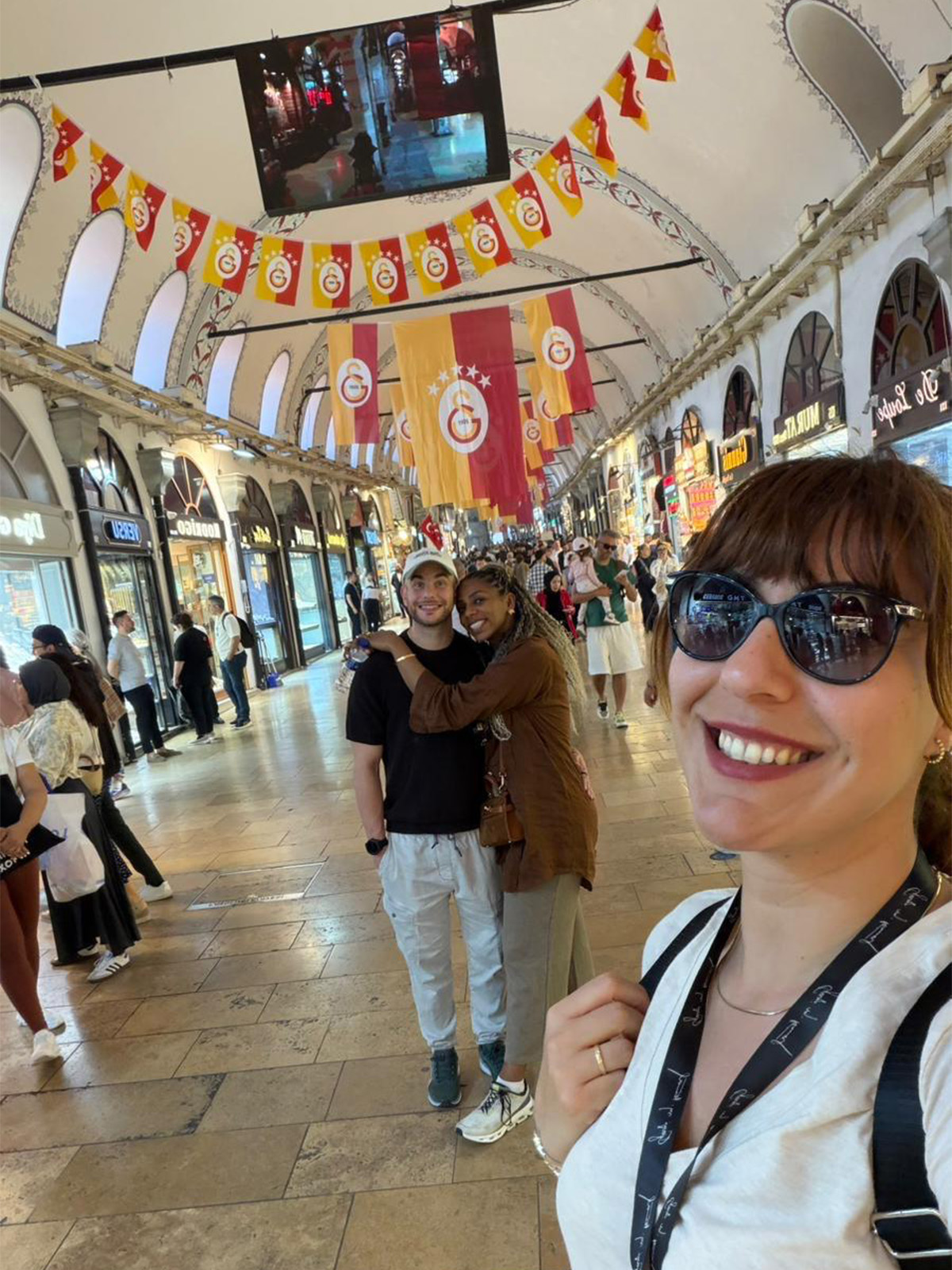
Many foreigners—and in fact many Istanbulites as well—consider the Grand Bazaar one of the most fascinating and enchanting attractions of the city. As can be seen from its plan, it has a very orderly structure, yet while walking through it one often perceives it as more complex and labyrinth-like.
The Grand Bazaar is practically a small city in itself. According to a census conducted in 1880, it contained 4,399 shops, 2,195 workshops, 497 stalls, 12 warehouses, 18 fountains, 12 small mosques, one large mosque, a primary school, and a tomb. Today the number of commercial establishments is roughly similar, though new businesses have been added, including several restaurants, many tea houses, and two banks.
The bazaar was founded on nearly the same site shortly after the conquest of Constantinople by Mehmed II. Although it has been damaged many times by fires—the last major one occurring in 1954—its structure and general appearance have remained essentially the same as they were four centuries ago.
The street names within the Grand Bazaar derive from the guilds that produced and sold their goods in the same places for centuries. A hundred years ago the bazaar was far more unusual and interesting than it is today, filled with even more extraordinary goods. Yet even now, despite the presence of ordinary mass-produced items, many authentic, local, and original products can still be found. Shops selling similar goods are generally grouped along particular streets. Here you can find musical instruments, old clothes, typically Turkish embroidered towels, jewelers, goldsmiths, furniture makers, haberdashers, shoemakers, hardware dealers, fabric merchants, and much more.
At the center of the bazaar stands the domed hall known as Cevahir Bedesteni, also called the Old Bedesten. This is one of the original structures dating back to the time of Mehmed II, and since then it has always been used for the most valuable goods.
Most of the shopkeepers speak six or seven languages, so communication rarely becomes a problem. Negotiations often continue over a cup of Turkish coffee offered by the seller.
Of course, not everything sold in the bazaar is authentic. Nevertheless, the craftsmanship of most imitations is excellent, because those who produce the copies often come from the same guild traditions as the makers of the originals. They work with the same tools and techniques that have been passed down for generations.
When you leave the Grand Bazaar through the Nuruosmaniye Gate and turn to the right, you will see a row of finely built shops forming the outer courtyard walls of Nuruosmaniye Mosque. These shops were originally part of the Nuruosmaniye Complex, and their rents were used to cover the expenses of the mosque and its associated buildings.

Get in touch now
Ready for an unforgettable tour?